Monday, 27 April 2015

Low-cost neurosurgery in India

Indian hospitals to offer low-cost neurosurgery in India

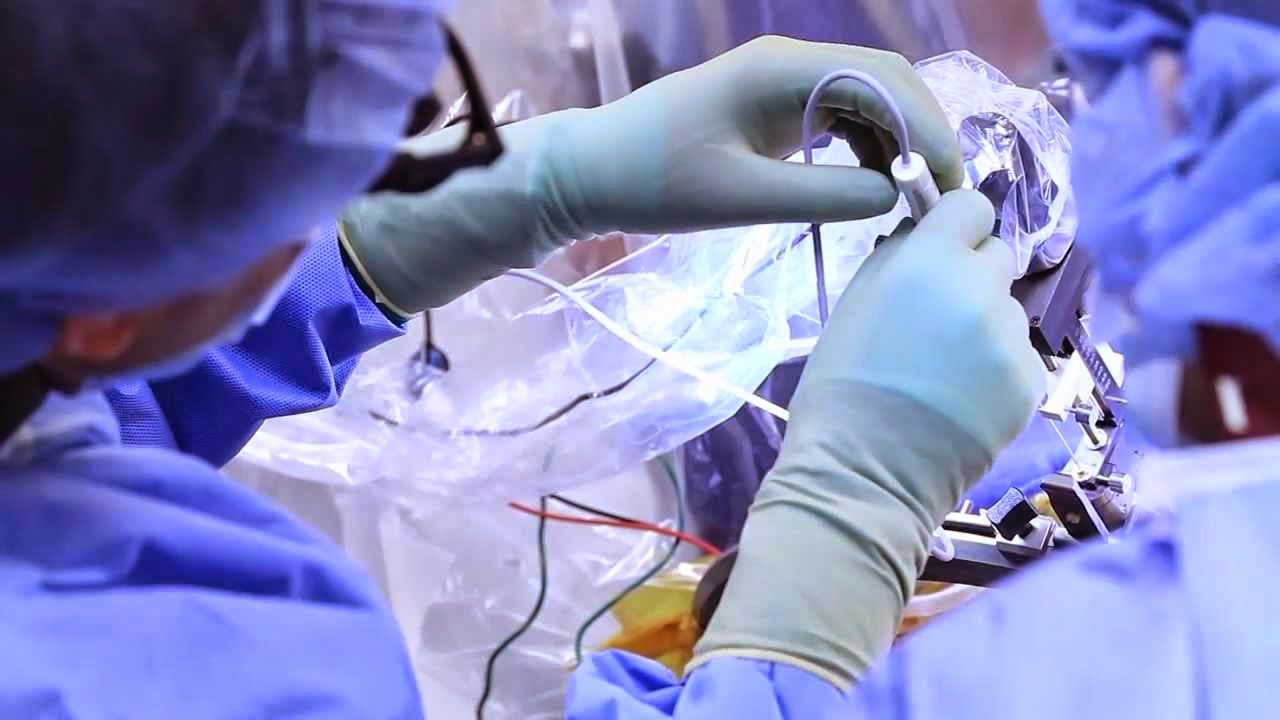
Neurosurgery in India is a very good option for abroad patients seeking low cost and safe surgical treatment for the correction of their disorders. Medical tourism in India provides very good assistance to international patients for their comfortable treatment in India. For neurosurgery, patients must find surgeons who are appropriately trained. Another factor to consider is cost and reimbursement. And finally, patients need to be aware that like any new medical technology, this surgery carries with it a certain level of unknown technical risks. SinceNeurosurgery  in india it is still a relatively new procedure in India with a certain level of risks. The cost of Neurosurgery in India is very less compared to that of its cost in other developed countries. Most advanced surgery hospitals for Neurosurgery  in India are in most prominent cities of India.

The large number of neurosurgeries in India enables Indian hospitals to offer low-cost neurosurgery in India. Further, cost of neurosurgery in India is amongst the lowest in the world.

The neurosurgeries performed at hospitals in India include the following
  • ·         Surgery of the Skull Base
  • ·         Micro Vascular Surgery
  • ·         Brain Surgery for Epilepsy
  • ·         Interventional Neuroradiology
  • ·         Neurological Endoscopy
  • ·         Non-Invasive Stereotactic Radiosurgery
  • ·         Craniotomy
  • ·         Surgery for DBS (Deep Brain Stimulation)
  • ·         Spine Decompression Surgery
  • ·         Spine Decompression with Fusion
  • ·         Laminectomy
  • ·         Spine Disc Replacement
  • ·         Scoliosis Surgery
  • ·         Endoscopic Discectomy
  • ·         Spina Bifida

Neurosurgeons in India gravitate towards super specialisation in focus areas such as interventional neuroradiology, skull base surgeries, paediatric neurosurgery, etc. Unlike in the past when orthopaedic surgeons used to perform some spine surgeries, spine surgeries are now performed at leading hospitals in India exclusively by surgeons specially trained in spine surgery.
Success rates of Neurosurgery in India very often exceed international standards. Further, neurosurgery cost in India, is amongst the lowest in the world.

Cost of Neurosurgery in India
The cost of neurosurgery in India is truly economical. Some examples:
·         Neurosurgery cost in India for the removal of Pituitary Gland Tumour : Cost of Neurosurgery in India for the excision of pituitary tumour will involve an expenditure of US dollars three thousand to six thousand. The comparable cost of neurosurgery in the USA would be approximately 5 times as much.
·         Neurosurgery cost in India for Lumbar Spine Fusion: Cost of Neurosurgery in India for this procedure will be approximately US dollars 5000. The comparable cost of neurosurgery in the USA would be US dollars 20,000 at least
·         
Neurosurgery cost in India for spine decompression: Cost of Neurosurgery in India for this procedure would be between US dollars 6000; the cost of neurosurgery in the USA would be at least four times as much
Leading neurosurgery hospitals in India rank amongst the finest in the world. They combine the best of human resources in terms of highly qualified neurosurgeons, neurologists, interventional radiologists, interventional neuroradiologists and the best of material resources in terms of hospital infrastructure and medical equipment.

Why should you choose to get Neurology & Endovascular Neurosurgery in India?
Neurosurgery in India's top hospitals is extremely successful on account of the world class operation theatres and cutting edge technology that is available to neurosurgeons in India. For example:

·        Indian doctors are known all over the world for their skill and knowledge and have the experience of studying and working at the best neuron surgery hospitals in the world.·         Most advanced Technology Infrastructure - Blood Bank with 24 hour apharesis facility, advanced laboratory and microbiology (infection control) support, advanced cardiology, DSA and interventional radiology, portable and colour ultra-sonology, Liver Fibro-scan, 64 slice CT scanner, 3 T MRI, PET-CT and nephrology (including 24 hour dialysis and CVVHD).·         Neurosurgery Hospitals in India are equipped with the latest and high end technology.·         Cost of epilepsy surgery in India at best brain surgery hospitals in India is very low as compared to the cost at best hospitals in America or UK with the same level of care and services.

Treatment of brain and spine disorders are becoming less invasive with the advent of better imaging and interventional technologies. Interventional neuroradiologists in India now offer a wide range of minimally invasive neurosurgeries through angioplasty, placement of stents, treatment of vascular tumors, large aneurysm, embolization for resolution of arteriovenous malformations, etc

Rehabilitation care at hospitals for neurosurgery in India:

In the aftermath of complex neurosurgery, several patients will require intense physical and neuro rehabilitation. Leading hospitals for neurosurgery in Indiahave specialised equipment as well as rehabilitation specialists. Rehabilitation post neurosurgery is targeted in the following areas:
  • ·        Functional Therapy
  • ·         Mobility of Patients
  • ·         Enhanced Movement Therapy

Thursday, 23 April 2015

What are the Causes and Factors of Epilepsy

Causes of epilepsy vary by age of the person. Some people with no clear cause of epilepsy may have a genetic cause. But what's true for every age is that the cause is unknown for about half of everyone with epilepsy.
  • Some people with no known cause of epilepsy may have a genetic form of epilepsy. One or more genes may cause the epilepsy or epilepsy may be caused by the way some genes work in the brain. The relationship between genes and seizures can be very complex and genetic testing is not available yet for many forms of epilepsy. 
  • About 3 out of 10 people have a change in the structure of their brains that causes the electrical storms of seizures.
  • Some young children may be born with a structural change in an area of the brain that gives rise to seizures. 
  • About 3 out of 10 children with autism spectrum disorder may also have seizures. The exact cause and relationship is still not clear. 
  • Infections of the brain are also common causes of epilepsy. The initial infections are treated with medication, but the infection can leave scarring on the brain that causes seizures at a later time. 
  • People of all ages can have head injuries, though severe head injuries happen most often in young adults.
  • In middle age, strokes, tumors and injuries are more frequent.
  • In people over 65, stroke is the most common cause of new onset seizures. Other conditions such as Alzheimer’s disease or other conditions that affect brain function can also cause seizures.

Common causes of seizures by age:

In Newborns: 
  • Brain malformations
  • Lack of oxygen during birth
  • Low levels of blood sugar, blood calcium, blookd magnesium or other eletrolyte disturbances
  • Inborn errors of metabolism
  • Intercranial hemorrage
  • Maternal drug use 
In Infants and Children: 
  • Fever (febrile seizures)
  • Brain tumor (rarely)
  • Infections
In Children and Adults:
  • Congenital conditions (Down's syndrome; Angelman's syndrome; tuberous sclerosis and neurofibromatosis)
  • Genetic factors
  • Progressive brain disease (rare)
  • Head trauma
In Seniors:
  • Stroke
  • Alzheimer's disease
  • Trauma


    When a disorder is defined by a characteristic group of features that usually occur together, it is called a syndrome. These features may include symptoms, which are problems that the patient will notice. They also may include signs, which are things that the doctor will find during the examination or with laboratory tests. Doctors and other health care professionals often use syndromes to describe a person's epilepsy.
    Epilepsy syndromes are defined by a cluster of features. These features may include:
    • The type or types of seizures
    • The age at which the seizures begin
    • The causes of the seizures
    • Whether the seizures are inherited
    • The part of the brain involved
    • Factors that provoke seizures
    • How severe and how frequent the seizures are
    • A pattern of seizures by time of day
    • Certain patterns on the EEG, during and between seizures
    • Brain imaging findings, for example, MRI or CT scan
    • Genetic information
    • Other disorders in addition to seizures
    • The prospects for recovery or worsening

    Not every syndrome will be defined by all these features, but most syndromes will be defined by a number of them. Classifying a person's epilepsy as belonging to a certain syndrome often provides information on what medications or other treatments will be most helpful. It also may help the doctor to predict whether the seizures will go into remission (lessen or disappear).

Friday, 17 April 2015

TREATMENT OF CHILDHOOD BRAIN TUMORS IN INDIA


The world of childhood brain tumors has no “Welcome” sign leading into it. No matter what anyone says to minimize the situation, this statement is the most painful sentence a human can hear. The combination of fear, shock and pain can be too much to bear.
“To see such innocence, so roughly shaken by this terrible trial, at such a young age, is nothing short of incomprehensible.” I still hear this sentence, uttered by a visibly shaken parent. Instead of becoming more routine and distant, the visceral terror that it engendered in me (the supposed all-knowing physician/advisor), my delivery of such information has grown more and more difficult, even personal. I watch my own small children grow and develop. As a physician, one realizes that more than ever, there is no place for impersonal behavior when caring for the children who are afflicted by a brain tumor, benign or otherwise, and for their families as well. No amount of experience or training can help one to ease or minimize the situation.
When we discuss special areas such as:
  • Outcome: Does “excellent long-term results” mean a ten-year survival for a 3-year old– your child living long enough to be frustrated by death at the age of thirteen? We parents think only of 50 and 60 year plans. Five- and ten-year plans are unacceptable. We want to know that our grandchildren will not live to see their parents die at a young age.
  • Quality of life: Does that mean that a 5-year old child will have no hair, be skinny and slow to walk and play with his friends and classmates? How can we parents bear to live through the process of trying to give our child a childhood instead of a world of I.V. tubes, doctors who speak of life-and-death, hospital corridors and toys that our children will never play with?
  • Doctors: Who are they? Can we do anything to keep them human, warm, and caring for our child? How do we deal with our own resentment for the fearful news, difficult therapies and their human frailty? How do we keep our child happy to see them? Most children cringe at the mere mention of visiting a doctor-with-a-shot-to-give, or a visit to the dentist with his drills and instruments.
  • Hospitals: How do we keep these innocents away from such large and frightening monoliths?
  • We parents: How can we possibly bear all of this without frightening our little, loving child?
  • Hope: Yes, there IS hope! God and goodness are your guide. Your child is truly a precious gift. No matter what cards we are dealt, a child’s joy and innocence are somehow never lost. In the worst of times, a child’s pain often becomes the parent’s teacher. And when we expect the best for our children, we often get it despite all odds.
TREATMENT OF CHILDHOOD BRAIN TUMORS
Surgery:- In some cases the definitive treatment is surgery. In most, however, surgery serves as a temporizing measure that will keep a child out of trouble for long enough to get through definitive therapy that will hopefully eliminate of the tumor. Brain surgery is usually the easiest part of a child’s treatment.
Shunting:- Quite often (e.g. medulloblastomas) childhood tumors present the blockage of the fluid spaces of the brain, (obstructive hydrocephalus). In shunting, a thin silastic tube (the shunt) is placed into the fluid spaces of the brain and passed under the skin into the child’s abdomen where the fluid is absorbed.
Chemotherapy:- Unfortunately, chemotherapy is the hard part of brain tumor treatment. It is only required for more aggressive tumors. As a rule, chemotherapy should be even more aggressive than the tumor itself. The trials which are imposed both on the child and parents are many. Bravery and an unremitting attitude of hope are required by all involved.
Radiation:- Because the developing brain of a child is so very sensitive to radiation therapy, it is deliberately limited. The irony of effective radiation therapy is that when it works well, the brain damage it causes might exceed that done by the original tumor. More often than not, your doctor will recommend that if any radiation is to be given, it should be held off until the child has grown older and the brain has sufficiently matured.
For more information visit:          http://www.medworldindia.com        
                    
                    https://www.facebook.com/medworld.india
Please scan and email your medical reports  to us at care@medworldindia.com and we shall get you a Free Medical Opinion from India’s Best Doctors.
Call Us : +91-9811058159
Mail Us : care@medworldindia.com

  • The treatment of these tumors usually include a combination of approaches, each tailored to deal with the problems that children are presented with:

Tuesday, 7 April 2015

Advantages of Endovascular Neurosurgery/ Interventional Neuroradiology in India

Endovascular neurosurgery, is the field of medicine that combines neurosurgery with interventional neuro- radiology and treats the diseases of blood vessels of the brain and spine. This is a minimally invasive technique which entails using catheters and embolic agents or clotting agents rather than open surgeries.

The procedures are done in angiographic suite (located in the x-ray department), rather than the operating room and is done within the blood vessels using catheters to fill blood vessel abnormalities with particles, polymers or stents.
Endo vascular neuro surgery treats a variety of cerebro vascular diseases which are untreatable through conventional surgery such as:

  • Stroke
  • Aneurysms
  • Arterio-venous malformations
  • IArterial stenosis
  • Dural arterio-venous fistulas
  • Vascular Tumours
  • Carotid Cavernous sinus fistulae
  • Cerebral revascularization after clotting
  • Vasospastic arteries


The most important advantage of the endovascular approach for the treatment of aneurysms, AVMs and tumors of the brain is one, they can be treated, because sometimes they are considered inoperable or too risky to be operated and thus the patient goes without treatment. Endovascular neurosurgery is the procedure of choice in following patients:

  • Old age
  • High risk patients with diabetes and heart disease
  • Patients with contraindication for surgery or anaesthesia

Second, craniotomy or opening of the skull is avoided and thus the procedure is done through minimal invasive technique. 

This means:


Minimal damage to the normal brain tissue
Almost no mortality
Minimal chances of complications
No brain or spinal cord tissue manipulation
No scarring, pain and least discomfort to the patient
No blood loss and need for blood transfusion
Short hospital stay and fast return to normal activities
Acute stroke patients can be treated even many hours after the stroke.
Can be used to stabilize the bones and reduce pain in patients with specific types of spinal fractures such as compression fractures and fractures caused by osteoporosis.


Why should you choose to get Neurology & Endovascular Neurosurgery in India?

·         Indian doctors are known all over the world for their skill and knowledge and have the experience of studying and working at the best neuron surgery hospitals in the world.

·         Most advanced Technology Infrastructure - Blood Bank with 24 hour apharesis facility, advanced laboratory and microbiology (infection control) support, advanced cardiology, DSA and interventional radiology, portable and colour ultra-sonology, Liver Fibro-scan, 64 slice CT scanner, 3 T MRI, PET-CT and nephrology (including 24 hour dialysis and CVVHD).

·         Neurosurgery Hospitals in India are equipped with the latest and high end technology.

·         Cost of epilepsy surgery in India at best brain surgery hospitals in India is very low as compared to the cost at best hospitals in America or UK with the same level of care and services.

Deep Brain Stimulation, Parkinson Surgery, Tremor, Dystonia, OCD Treatment at World Best Hospital in India


World-class Hospital with dedicated Neurosurgery and Neurology ICUs and centres of Specialisation for brain tumours, spinal disorders, stroke, epilepsy, movement disorders and headache.

Most Advanced Technology like Brain Suite, Biplane Neuroendovascular Angiography, Synergy S Linac System, S-7 Navigation System, Endoscopic Neurosurgery Theatre, 3 Tesla MRI, 256 slice CT scan, PET scan.

 Low Cost Treatment package which includes Airport Pick up and Drop from Airport in India, Hospital Stay, Testing/Screening, Deep Brain Stimulation Treatment, Consultations with Specialist Doctors , Nursing care, Surgeon Fee, Medicines and Consumables.


Experienced Team of professionals having a specialist Neurologist (Movement Disorder specialist), Specialist Neurosurgeon, Neuroradiologist, Physiotherapist and Dietary specialists who provide high-quality care

For more information visit:          http://www.medworldindia.com     
                    
https://www.facebook.com/medworld.india

Please scan and email your medical reports  to us at care@medworldindia.com and we shall get you a Free Medical Opinion from India’s Best Doctors.

Call Us : +91-9811058159
Mail Us : care@medworldindia.com

Friday, 27 March 2015

What are the Different kinds of epilepsy in children's

To understand epilepsy, you first have to understand how the brain functions. The brain controls and regulates all voluntary and involuntary responses in the body. It consists of nerve cells that normally communicate with each other through electrical activity.

Epilepsy is defined as two or more seizures that occur without a specific cause. Seizures are altered behavior that occurs when part(s) of the brain receives a burst of abnormal electrical signals that temporarily interrupts normal electrical brain function.

Different kinds of epilepsy are classified according to:

·         Signs and symptoms
·         The child's age when they begin to occur
·         The child’s EEG pattern
·         Neurologic findings on examination
·         Special kinds of imaging (x-ray-type) tests, including magnetic resonance imaging (MRI) and computerized tomography (CT) scans

Seizure Classifications

Focal Seizures

These seizures take place when abnormal electrical brain function occurs in one or more areas of one side of the brain. If the child does not lose consciousness throughout the seizure, the seizure was previously classified as simple. If the child loses consciousness or does not respond appropriately, the seizure was previously classified as complex.

Focal seizures may include one-sided jerking movements of the arms or legs, stiffening, eye deviation to one side or twisting of the body. Sometimes these symptoms follow these other signs:

·         Seeing visions
·         Hearing noises
·         Tasting and smelling things
·         Dizziness
·         A rapid heart rate
·         Dilated pupils
·         Sweating
·         Flushing
·         Stomach fullness
·         Psychic symptoms such as a sense of deja-vu, distortions, illusions and hallucinations

Generalized Seizures

These seizures involve both sides of the brain. As a result, the seizures are less variable than focal seizures.

Typically, they involve brief staring spells; sudden, quick muscle jerks; generalized and rhythmic jerking of the extremities; generalized stiffening episodes; or generalized stiffness followed by rhythmic jerking of the extremities or a sudden loss of muscle tone, resulting in a head drop or sudden fall to the ground.

Causes

Fever (febrile seizures) are caused by fever in children age three months to five years of age, with no other underlying neurologic problems present. Febrile seizures are common and occur in 2-5% of all children. Simple febrile seizures are brief (usually less than five minutes), generalized convulsions that only occur once in the course of an illness.

Metabolic or chemical imbalances in the body may also cause seizures. Conditions that prompt seizures include hypoglycemia (low blood sugar), hypo/hypernatremia (too little or too much sodium in the blood) and hypocalcemia (too little calcium). Meningitis or encephalitis (brain infections) may also induce seizures. Other acute problems that can cause seizures include toxins, trauma and strokes. In children with epilepsy, a common reason for sudden increase in seizures is that the youngsters are not taking their medications as directed.

Trauma at birth or brain abnormalities such as tumors can also be the source of seizures. A lack of adequate oxygen near the time of birth, trauma, infection and stroke can induce a seizure. Sometimes the seizures appear suddenly, although the brain abnormality may have been present for a long time.
Seizures can also develop as a result of a neurodegenerative disease. While neurodegenerative diseases are rare, they can be devastating.

The best tool the doctor has to evaluate the spells is the child's history. This includes knowing what happened immediately before the seizure, the first indication that something was wrong, a complete description of the event, the level of responsiveness of the child, how long the seizure lasted, how it resolved and what the child did after the event. All or some of the following tests may be used:
Blood tests
·         Electroencephalogram (EEG) – A procedure that records the brain's continuous, electrical activity by means of electrodes attached to the scalp.
·         MRI – A diagnostic procedure that uses a combination of large magnets, radiofrequencies and a computer to produce detailed images of organs and structures within the body.
·         CT scan – A diagnostic imaging procedure that uses a combination of x-rays and computer technology to produce cross-sectional images (often called slices) of the body, both horizontally and vertically. A CT scan shows detailed images of any part of the body, including the bones, muscles, fat and organs. CT scans are more detailed than general x-rays.
·         Lumbar puncture (spinal tap) – A special needle is placed into the lower back into the spinal canal. This is the area around (but not into) the spinal cord. The pressure in the spinal canal and brain can then be measured. A small amount of cerebral spinal fluid (CSF) can be removed and sent for testing to determine if there is an infection or other problem. CSF is the fluid that bathes your child's brain and spinal cord.

Medication

Many types of medications may be used to treat seizures and epilepsy. Epilepsy medications are selected based on:
·         The seizure type
·         Child’s age
·         Side effects
·         Consistent use of the medication

Discuss your child's medication side effects with their physician. While your child is taking medications, different tests may be done to monitor the effectiveness of the medication. These tests may include the following:

·         Blood work: Frequent blood draws testing may be required to check the level of the medication in the body. Based on this level, the physician may increase or decrease the dose of the medication to achieve the desired level. This level is called the "therapeutic level," and is where the medication works most efficiently. Blood work may also be done to monitor the effects of medications on body organs.
·         Urine tests: These tests are performed to see how the child's body is responding to the medication.
·         EEG

You should weigh the risks and benefits of therapy versus the risks of a subsequent seizure before your child begins taking a medicine. Treatment is generally not started after the first seizure in children.

While reports vary, the recurrence risk after the first seizure, if it occurred for no apparent reason, is approximately 40%. The majority of recurrent seizures occur soon after the first event — 50% occur within six months.

The use of only one drug is preferable if possible, as approximately 70% of children become seizure-free on therapy with one medication. Another 15% of children become seizure-free on a combination of several. The final 15% have epilepsy that does not respond to medication.

Other Treatments

·         Ketogenic diet – A strict, high-fat diet useful for generalized seizures that don't respond to medication.
·         Vagal nerve stimulator – A surgically implanted wire around the vagal nerve hooked to a pacemaker device in the chest that is programmed to give intermittent stimulation to the vagal nerve. This device is FDA-approved as adjunctive therapy for partial seizures in children over age 12. However, some researchers believe it’s useful for younger children, as well as in children with intractable generalized seizures.

·         Epilepsy surgery – For some patients, particularly those with focal seizures that don't respond to medication or with identifiable lesions on head imaging studies, epilepsy surgery may be the best treatment.
For more information visit:          http://www.medworldindia.com       
                    
https://www.facebook.com/medworld.india
Please scan and email your medical reports  to us at care@medworldindia.com and we shall get you a Free Medical Opinion from India’s Best Doctors.

Call Us : +91-9811058159
Mail Us : care@medworldindia.com

Sunday, 22 March 2015

Why should you choose to get Neurology & Endovascular Neurosurgery in India?

Deep Brain Stimulation Surgery uses an implanted, battery-operated medical device called a neurostimulator—similar to a heart pacemaker and approximately the size of a stopwatch—to deliver electrical stimulation to targeted areas in the brain that control movement, blocking the abnormal nerve signals that cause tremor and Parkinson’s disease symptoms. The electrode is connected via a wire running beneath the skin to a stimulator and battery pack in the patient's chest. It is reversible—just turns off the current—and allows for precise calibrated symptom control. Before the procedure of Deep Brain Stimulation Surgery, a neurosurgeon uses magnetic resonance imaging (MRI) or computed tomography (CT) scanning to identify and locate the exact target within the brain where electrical nerve signals generate the PD symptoms. 
Deep Brain stimulation may be used in addition to therapy with levodopa or other drugs when drugs alone do not control symptoms adequately. This technique of Deep Brain Stimulation Surgery is the preferred surgical method of treating most cases of advanced Parkinson's disease. It does not destroy brain tissue and has fewer risks than older, more destructive surgical methods, such as pallidotomy and thalamotom
Deep brain stimulation (DBS) is a treatment where a part of your brain is stimulated, to stop you having symptoms of a particular medical condition. It’s called an interventional procedure. An ‘interventional procedure’ includes tests, treatments or surgery which involve making a cut to the skin. Surgery is needed to fit the DBS system.
There have been several studies where people with difficult-to-control epilepsy have had fewer seizures after having DBS surgery. 
  • DBS will only be considered for people who can’t have their seizures controlled by epilepsy medicines or other types of surgery
  • There’s not much good evidence about how well DBS works
  • After two years, more than half the people who had DBS had fewer seizures than before the surgery
  • If you are being considered for DBS, a team of specialist doctors will work together, to make sure you and your epilepsy are suitable for the surgery
  • If you are offered DBS, you should be told that the benefits are uncertain, and the surgery has risks
  • Your doctor should discuss the risks with you, and give you written information before you decide whether to go ahead with DBS surgery
  • Risks include bleeding in the brain, infection, depression and memory problems
What surgery for DBS involves

The surgery involves having a DBS system fitted. The DBS system has three parts.
 A lead – this is a thin, insulated wire. It is put through a small opening in your skull, to reach the part of your brain where the epileptic activity happens. Electrical activity is happening in our brain all the time. A seizure happens when there is a sudden burst of intense electrical activity. This is often referred to as epileptic activity.
• An extension – this is an insulated wire that is passed under the skin of your head, neck, and shoulder. It connects the lead to the neurostimulator.
• A neurostimulator – this is a small device, similar to a heart pacemaker. It is usually placed under the skin near your collarbone, lower in your chest, or under the skin of your stomach.
Before the surgery, a brain surgeon will give you a magnetic resonance imaging (MRI) or computed tomography (CT) scan. This is to see the exact part of your brain where the epileptic activity happens.
At the start of the surgery, you will take some drugs to make you relaxed and sleepy, but you might stay awake. You might have a frame attached to your face. The frame will be taken away when the surgery is finished.
After the surgery, the surgeon may give you another CT or MRI scan, to make sure the DBS is in the right place.
What DBS does

Once the DBS is in place, electrical impulses go from the neurostimulator, along the extension wire and lead, and into your brain. These stimulate the part of your brain where there is epileptic activity, to stop your seizures happening. The surgeon will use a programming unit to turn the neurostimulator on, adjust the stimulation, and monitor activity. You will be given a hand held programmer or a magnet, so that you can switch the stimulator on and off.
Deep Brain Stimulation Surgery in India is being dealt by expert Neurosurgeons who have the expertise and many years of experience in performing complex Neuro surgical procedures and have hands on experience with the latest technological devices used to perform the most sophisticated surgeries. The hospitals catering Deep Brain Stimulation Surgery in India have network of hospitals which have dedicated state-of-the-art Neurosurgery operation theaters with semi-robotic microscopes, the neuro-navigation facility, cranial and spinal endoscopy, MRI and CT compatible stereotaxy for functional neurosurgery. It assists the surgeons in attaining precision while conducting complex neurosurgeries.
Why should you choose to get Neurology & Endovascular Neurosurgery in India?
  • Indian doctors are known all over the world for their skill and knowledge and have the experience of studying and working at the best neuron surgery hospitals in the world.
  • Most advanced Technology Infrastructure - Blood Bank with 24 hour apharesis facility, advanced laboratory and microbiology (infection control) support, advanced cardiology, DSA and interventional radiology, portable and colour ultra-sonology, Liver Fibro-scan, 64 slice CT scanner, 3 T MRI, PET-CT and nephrology (including 24 hour dialysis and CVVHD).
  • Neurosurgery Hospitals in India are equipped with the latest and high end technology.
  • Cost of epilepsy surgery in India at best brain surgery hospitals in India is very low as compared to the cost at best hospitals in America or UK with the same level of care and services.